


From cleaning mobile data to testing off-the-hour send times, some of the best BFCM gains don’t need a campaign rebuild. Four retail and marketing leaders share practical ways to refine offers, automations, segmentation and execution before peak, then use live results to keep improving once the volume ramps up.
An ecommerce team can spend hundreds of hours updating its flows and campaigns for Black Friday Cyber Monday.
And after all that work? One of the most common mistakes Zoe Goodhardt from TAG still sees is painfully simple: teams update their email journeys for BFCM… and forget to update the SMS sitting alongside them.
That says a lot about peak season.
BFCM brings more of everything: campaigns, promotions, creative, channels and moving parts competing for attention.
The opportunity isn’t doing less. It’s making all that activity work harder.
Across our BFCM Coffee Series, we spoke with Zoe Goodhardt from TAG, Justin Bausch from Style My Wall, Sebastian Kuemmel from The House of Email and Vegas Poh from City Beach about what marketers can do differently this peak season.
They came at BFCM from different angles, but kept circling back to the same point: use the lead-up to test what you can, then let the results shape what happens next.
Don’t let the discount do all the work
BFCM naturally puts pressure on revenue targets. But blanket discounting can also eat into margin and train customers to wait for the next sale.
Zoe shared one retailer taking a more deliberate approach: developing a collection specifically for Black Friday, then working backwards from the margin the business needed to make rather than simply marking down the entire site.
It’s a useful shift in thinking.
Instead of asking, “How much can we discount?” ask, “What are we actually trying to achieve?”
That could mean protecting margin on core products, moving certain stock, acquiring new customers or introducing shoppers to another category.
But the offer is only one part of the job.
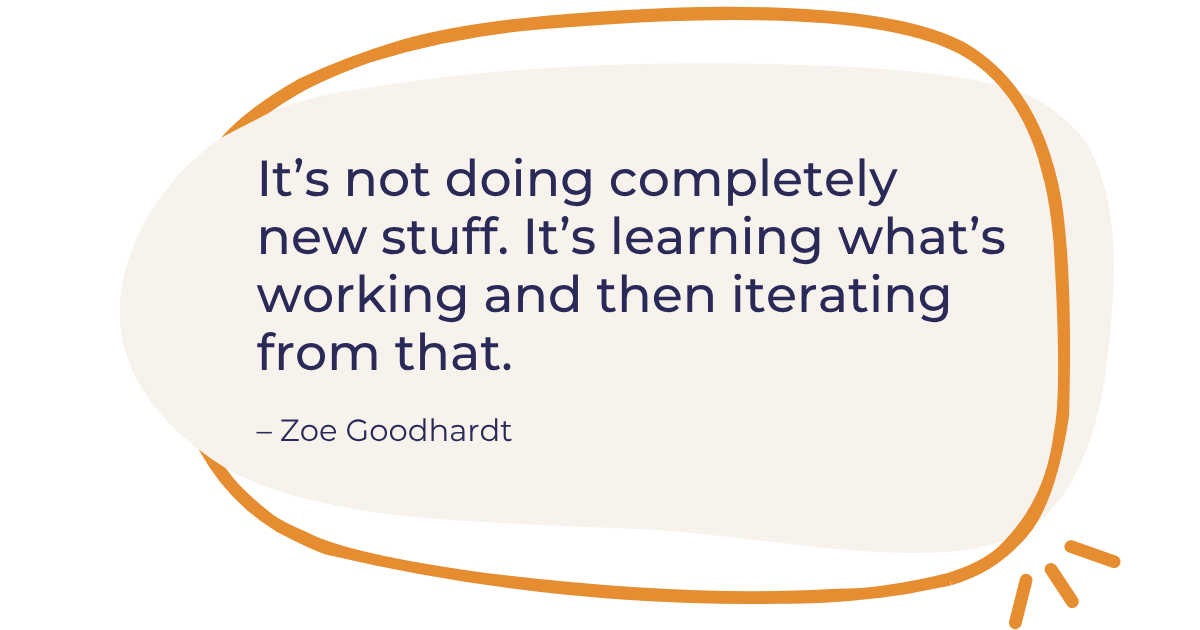
Zoe’s team is also using the lead-up to BFCM to build from what is already working. If a particular ad format is performing, they’ll iterate on it with another product, different copy or a new background rather than reinventing the creative from scratch.
The same applies on-site.
Test your free-delivery threshold. Look at what customers actually add to cart together. If someone is buying a brown shirt, don’t automatically recommend another brown shirt. Give them something that completes the purchase.
Peak is not the ideal time to start guessing.
And it’s not the time to discover how much work is sitting in the backlog.
If updating campaigns, flows, SMS journeys and creative will take 80 hours, break that workload up now — before the campaign calendar is already at capacity.
Clean the data, then put more of it to work
You can have a strong offer, sharp creative and a massive database.
None of that helps if part of that database is unreachable, incorrectly formatted or sitting outside the segments you normally use.
Both Justin and Vegas put data hygiene near the top of their BFCM checklist.
Justin’s recommendation is simple: check that the mobile numbers you’re targeting are valid, correctly formatted and relevant to the region you’re sending into.
Vegas takes the same approach at City Beach. Before deciding who receives what, the team makes sure the underlying data is clean and usable.
But cleaning the database is only half the opportunity.
It may also surface hidden customers who only come back for BFCM.
City Beach knows it has shoppers who may engage once a year around peak. Rather than exclude them because they haven’t interacted recently, the team starts re-engaging them before BFCM across email, app, SMS and the website.
That creates fresher behavioural data before the major campaign activity begins and expands the audience they can confidently speak to when purchase intent rises.
Before finalising your BFCM segments, check:
- Are the people in them actually contactable?
- Are previous BFCM shoppers sitting outside your usual engagement window?
- Can you re-engage them now and capture fresh behaviour?
- Are your channel and region fields clean enough to use confidently?
Clean it. Segment it. Then put it to work.
Let your automations multiply the campaign activity
Campaign sends get most of the attention during BFCM.
But welcome journeys, abandoned carts, browse abandonment, price-drop flows, and other lifecycle automations keep running underneath them.
Those journeys can either quietly support your BFCM activity — or quietly work against it.
Seb’s advice: audit them before peak.
Check the logic. Make sure the flows still fire when they should. Update the treatment for the sale period and look for opportunities to combine channels rather than running each one in isolation.
That doesn’t require rebuilding everything.
You might add a BFCM banner to existing email automations or introduce SMS deeper into a journey after someone opens or clicks an email but still hasn’t converted.
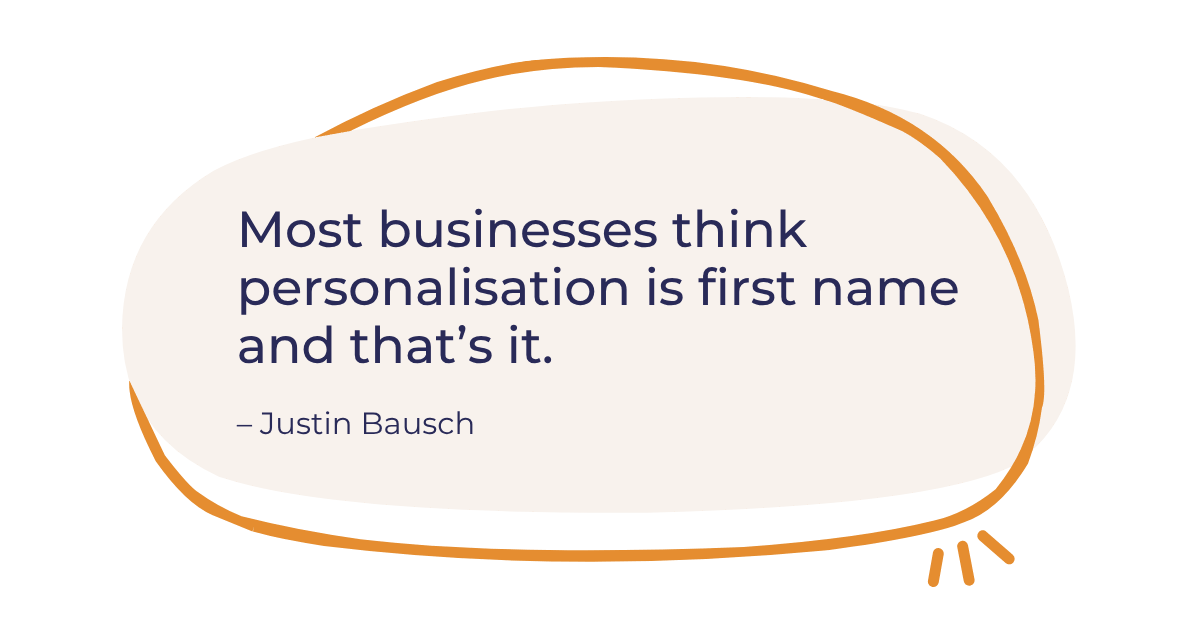
Justin takes that thinking further with personalisation beyond the first name.
Instead of sending every abandoned-cart customer the same reminder, use conditional paths based on what they were browsing or buying.
Someone looking at artwork for their kitchen can receive a message relevant to that collection rather than a generic “you left something behind.”
Even one simple split can improve the journey.
For example, identify whether someone is a new or returning customer before sending an abandoned-cart SMS. That gives you another way to decide where the additional message can add the most value.
Campaigns create the volume. Automations help make more of that traffic count.
Same promotion doesn’t mean same execution
Running one BFCM offer across multiple markets doesn’t mean you should copy and paste every part of the campaign.
Seb highlighted Australia and New Zealand as a good example.
The event may be similar, but setup requirements, customer behaviour, brand familiarity and the signals people use to trust a retailer can differ.
For New Zealand, that could mean putting more emphasis on local stores, quick delivery, simple returns or other cues that make the purchase feel easy and familiar.
It also means looking at your own audience rather than assuming customers behave the same way on both sides of the Tasman.
Age, acquisition source, brand presence and channel preference can all change how people respond.
The same principle applies to channels.
Vegas treats SMS differently from email because SMS is immediate and direct, while an email may sit unread until later in the day. App push creates another phone notification, so City Beach also considers how those two channels interact rather than firing everything together.
Then there are the small execution details.
After testing different SMS structures, City Beach found that putting the promotion first worked best during major sales periods because those opening lines are what customers see in the notification preview.
Seb applies similar thinking to send time. When everyone else is scheduling messages on the hour, try something less predictable — 9:17 instead of 9:00, for example — and test whether avoiding that inbox pile-up makes a difference.
These are small changes.
But BFCM is full of small changes operating at very large volume.
Build the plan, then let the results change it
Marketers love a finished campaign calendar.
Peak season rarely respects it.
Vegas starts BFCM planning by looking backwards: which campaigns drove revenue, which generated engagement, what segments were used, what budget was allocated and what could be improved.
That gives City Beach a starting point.
But once BFCM begins, yesterday’s results start mattering more than the version of the plan you approved weeks ago.
For Vegas, that means watching performance between sends and being ready to change the audience, message or timing before the next one goes out. Customers may already have purchased. Another offer might outperform expectations. Engagement can move.
If something changes, use it.
Don’t blindly launch the next SMS because it was approved two weeks ago if yesterday’s data tells you to adjust the audience, message, or timing.
Higher BFCM send volume also gives you more room to test. Split one SMS into two variants, change one variable — timing, opening line or audience — then carry what you learn into the next send.
You don’t need to turn every campaign into a laboratory.
You do need to keep paying attention.
Plan ahead. Test before peak. React during it.
Your BFCM checklist doesn’t need another 40 tasks
The practical takeaway from all four conversations is simple:
BFCM rewards activity, but that activity works harder when the foundations underneath it are sound.
That might mean protecting margin with a more deliberate offer, building from creative already performing, re-engaging previous BFCM shoppers or tightening the automations running alongside your campaign sends.
The specific change will depend on the brand. The principle doesn’t: make the improvements you can now, then use peak itself to keep learning.
If you’ve got an hour this week, pick one thing you can test before BFCM:
- Try a complementary cross-sell instead of another similar product.
- Re-engage customers who only return around peak.
- Add or refine SMS in one high-intent lifecycle journey.
- Test putting the offer first in your SMS.
- Move one send away from the predictable on-the-hour slot.
Get the learning now.
Then take it into the much bigger campaign activity still to come.
Hear the full conversations and dig deeper into the ideas behind this guide.
Need help getting your SMS campaigns, data or lifecycle journeys ready for BFCM?